

Food quality choices may play a role in body weight by influencing how much we eat in the first place. High-quality, fiber-rich whole foods are digested more slowly, promote satiety, and help stabilize blood sugar, naturally reducing the drive to overeat. Healthy dinner recipes with vegetables, fruits and poultry.
Improving food quality doesn’t require an overhaul; small, consistent substitutions can make a meaningful difference over time.
If you focus on choosing quality products, everything else will mostly take care of itself.
#1. Banana smoothie with cocoa. Healthy dinner recipes with vegetables, fruits and poultry.
A simple and delicious cocoa recipe. The perfect drink for your dinner. We suggest replacing regular milk with plant-based options: almond, soy, or hazelnut.

Ingredients:
For one mug:
Soy milk 5.29oz
banana 1pc.
cocoa powder 1 tablespoon
ground cinnamon 1 teaspoon
A few pieces of natural chocolate
Recipe:
Peel the banana and slice the flesh into rounds. The riper and softer the banana, the sweeter the smoothie will be and the smoother and more creamy the texture.
In a blender, combine the banana, cocoa powder, and cinnamon. Blend on high speed until smooth.
Pour in the warm milk. Blend again on high speed for about 1-2 minutes, until smooth.
Finely grate the chocolate. Pour the banana-cocoa smoothie into a glass, sprinkle with chocolate, and serve. Enjoy!
#2. Orange chicken with herbs, roasted vegetables, and grapes. Healthy dinner recipes with vegetables, fruits and poultry.
A Mediterranean-inspired sheet pan dinner with sweet roasted grapes for an antioxidant boost. Chicken in orange sauce with herbs, roasted vegetables, and grapes is one of those dishes that packs a subtle yet effective nutritional punch. It’s balanced, anti-inflammatory, high in fiber, and metabolism-boosting.
A meal like this supports metabolic health, reduces inflammation, stabilizes blood sugar, and provides a high‑satiety, nutrient‑dense profile.
Benefits of сhicken in orange sauce with herbs
Lean protein for satiety and muscle maintenance
Chicken breast provides ~25–30 g of high‑quality protein per serving.
Supports lean mass retention during weight loss.
Enhances thermogenesis and stabilizes appetite.
Citrus-based sauce for antioxidants and digestion
Oranges supply vitamin C, flavonoids (hesperidin), and natural acidity that improves iron absorption.
Vitamin C supports collagen synthesis — relevant for women 40+ concerned with skin elasticity. Citrus compounds may reduce post‑meal oxidative stress.
Herbs for anti-inflammatory and metabolic benefits
Depending on the herbs used (thyme, rosemary, oregano, parsley):
Rich in polyphenols with antimicrobial and anti-inflammatory effects.
Rosemary and oregano contain carnosic acid and rosmarinic acid, which support metabolic health.
Herbs enhance flavor without added calories, improving adherence to healthy eating.

Ingredients for 2 servings:
chicken breasts 2pcs.
seedless red grapes 1 cup
zucchini, sliced 1pc.
red onion 1pc.
bell pepper, sliced 1pc.
olive oil 2 tablespoons
juice and zest of 1 orange
rosemary 1 teaspoon
salt and pepper to taste
Instructions:
Cooking time: 40 minutes
Toss the vegetables and grapes with olive oil, salt, and pepper. Place the chicken on the same sheet pan; brush with orange juice, zest, and rosemary.Bake at 392°F for 25-30 minutes.Serve with extra citrus zest for a brighter flavor.
Why it’s good for you: Grapes contain resveratrol and polyphenols.The chicken and vegetables combine to create a dish that’s high in protein, fiber, and low in glycemic index.
Benefits of roasted vegetables
High fiber for gut health and appetite control
Roasting vegetables like carrots, zucchini, peppers, or broccoli:
Increases fiber intake, supporting satiety and stable blood sugar.
Provides prebiotics that feed beneficial gut bacteria.
Concentrated phytonutrients
Roasting enhances the bioavailability of carotenoids and other antioxidants.
Carrots → beta‑carotene
Peppers → vitamin C + capsaicinoids
Broccoli → sulforaphane (supports detoxification pathways)
Low energy density
Large volume, low calories — ideal for weight loss programs.
Benefits of grapes (fresh or roasted)
Rich in resveratrol and flavonoids
Supports cardiovascular health.
Helps reduce oxidative stress and inflammation.
Natural sweetness that stabilizes cravings
A small portion of grapes adds sweetness without refined sugar.
Helps clients transition away from dessert habits.
Hydration and micronutrients
High water content supports hydration. Provides potassium for electrolyte balance.
Benefits of the whole dish
Balanced macronutrient profile
Lean protein + fiber-rich vegetables + natural fruit sugars
→ Stable glucose response and reduced post-meal hunger.
Anti-inflammatory combination
Herbs + citrus + polyphenol-rich grapes
→ A triple layer of antioxidant support.
High satiety with moderate calories
Perfect for weight loss clients who need meals that feel satisfying and indulgent.
Supports digestive comfort
Citrus and herbs stimulate digestion. Fiber improves motility. Lean protein is easier to digest than red meat.
#3. Stir-fried chicken with pineapple, ginger, broccoli, and green peas. Healthy dinner recipes with vegetables, fruits and poultry.
A light, anti-inflammatory stir-fry dish made with ginger, which promotes digestion. This dish helps boost immunity, digestion, blood sugar balance, and muscle recovery, and also has strong anti-inflammatory and antioxidant properties—provided it’s cooked moderately (deep fryer or pan-frying are ideal).
Key benefits by ingredients:
Chicken (lean protein)
Supports muscle recovery and satiety with high-quality amino acids. Helps stabilize blood sugar levels by slowing Contains B vitamins (B3, B6), essential for energy metabolism.
Pineapple
Rich in vitamin C and manganese, supports immune function and antioxidant protection. Contains bromelain, an enzyme that: Promotes protein digestion Reduces inflammation May improve post-workout recovery
Ginger
Possesses strong anti-inflammatory and antioxidant properties (gingerols, shogaols). digestion, reduces nausea, and may improve intestinal motility. May help regulate blood sugar levels and reduce oxidative stress.
One of the most nutritious vegetables: Vitamin C, K, folate, fiber Sulforaphane, a powerful anti-inflammatory and detoxifying compou.
Green Peas
Rich in fiber and plant protein, it improves satiety and blood sugar control. Contains prebiotic fiber, which supports healthy gut flora. Rich in vitamin K, B vitamins, and phytonutrients.

Ingredients for 2 servings:
sliced chicken thighs 2pcs.
fresh pineapple chunks 1 cup
broccoli florets 1 cup
green peas 1 cup
thinly sliced carrot 1pc.
grated ginger 1 tablespoon
soy sauce 1 tablespoon
sesame oil 1 teaspoon
Instructions:
Cooking time: 35 minutes
Fry the chicken until golden brown.
Add the ginger, broccoli, green peas, and carrots; cook for 4-5 minutes.
Add the pineapple and soy sauce; simmer for 2 minutes. Add sesame oil at the end.
Benefits of this dish:
1. Anti-inflammatory effect
Ginger + broccoli (sulforaphane) + pineapple (vitamin C) create a powerful anti-inflammatory effect.
2. Blood sugar balance
Protein (chicken) + fiber (peas, broccoli) slow glucose absorption.
3. Digestive support
Bromelain (pineapple) + ginger improve the digestion of chicken protein.
4. Strengthening immunity and antioxidant protection
High vitamin C content in pineapple and broccoli. Antioxidants from ginger and green vegetables reduce oxidative stress.
5. Suitable for weight management.
High satiety due to protein and fiber.
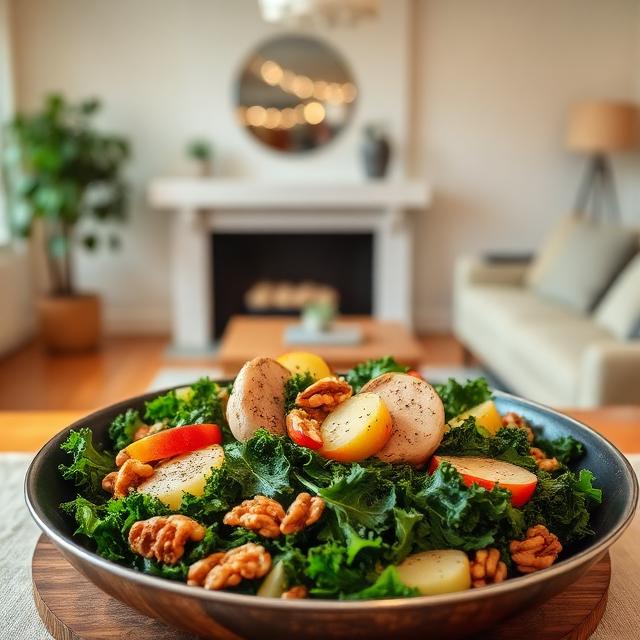
#4. Skillet сhicken, apple, and kale with walnuts. Healthy dinner recipes with vegetables, fruits and poultry.
A warm dish rich in fiber, healthy fats, and lean protein. This dish supports blood sugar balance, gut health, hormone regulation, and anti‑inflammatory pathways, while providing a powerful combination of protein, fiber, antioxidants, and omega‑3–rich fats.
The health benefits of each ingredient
1. Chicken (lean protein)
High-quality amino acids for muscle recovery, satiety, and metabolism boosting.
Rich in vitamin B6 and niacin, which support energy production and nervous system health.
Helps stabilize glucose levels after meals by slowing digestion.
2. Apples
Contain soluble fiber (pectin), which:
Improves gut flora
Lowers LDL cholesterol
Slows glucose absorption
Rich in quercetin, a flavonoid with anti-inflammatory and antihistamine properties.
Natural sweetness balances the savory flavor of chicken without added sugar.
3. Kale
One of the most nutritious foods:
Vitamin K, vitamin C, beta-carotene, folate, calcium
Rich in glucosinolates, which are converted into sulforaphane-like compounds
Supports detoxification, estrogen metabolism, and immune system function.
Great for women over 40 due to its micronutrient profile, which supports bone health.
4. Walnuts
Rich in omega-3 fatty acids (ALA), which support heart and brain health. Contain polyphenols with strong antioxidant properties. Adds satiating fats, which improve blood sugar stability. Supports cognitive function and reduces inflammation.
Ingredients:
chicken breasts 2pcs.
apple, diced 1pc.
chopped kale 3 cups
small onion, diced ¼ cup
walnuts 1 tablespoon
olive oil 1 tablespoon
Salt and pepper to taste
Instructions:
Fry the chicken until golden. Add the onion and apple cook until softened. Add the kale, thyme, salt, and pepper;cook until wilted. Sprinkle with walnuts.Why it’s good for you: Apples contain soluble fiber to help control blood sugar levels. Walnuts contain omega-3s for anti-inflammatory support.
Synergistic benefits of the full dish
Anti-inflammatory power
Walnuts (omega‑3s) + kale (glucosinolates) + apples (quercetin) create a triple anti-inflammatory effect.
Helps reduce chronic low-grade inflammation common in metabolic syndrome and midlife hormonal shifts.
Blood sugar regulation
Protein (chicken) + fiber (kale, apple) + healthy fats (walnuts) =
slower glucose release, reduced insulin spikes, and longer satiety.
Gut health support
Apples provide prebiotic pectin.
Kale adds insoluble fiber for motility.
Walnuts support beneficial gut bacteria.
Together, they create a microbiome-friendly meal.
Hormone and detox support
Kale’s glucosinolates assist in phase I/II liver detox pathways, supporting estrogen balance.
Walnuts and chicken provide amino acids needed for hormone synthesis.
Cardiometabolic benefits
Walnuts improve lipid profile. Kale and apples reduce oxidative stress. Chicken provides lean protein for metabolic rate maintenance.
#5. Grilled chicken with mango and lime, avocado and coleslaw.Healthy dinner recipes with vegetables, fruits and poultry.
A bright, tropical dinner with healthy fats and vitamin‑rich produce. This dish is a high‑protein, anti‑inflammatory, micronutrient‑dense dinner that supports satiety, metabolic health, gut function, and recovery. It balances lean poultry, fiber‑rich vegetables, and phytonutrient‑rich fruits with healthy fats for stable energy and blood sugar control.
Ingredients:
chicken breasts 2pcs.
mango, diced 1pc.
Juice of 1 lime
avocado, sliced 1pc.
shredded cabbage 2 cups
olive oil 1 tbsp
chili powder 1 tsp
Salt and pepper to taste
How to make it:
Blend half the mango with lime juice, chili powder, salt, and pepper to make a marinade. Marinate chicken 20–30 minutes; grill or pan‑sear. Toss cabbage with olive oil and lime. Serve chicken over slaw with remaining mango and avocado.

Why it’s healthy:
Mango provides vitamin C and carotenoids. Avocado adds monounsaturated fats for cardiometabolic health.
1. Benefits of fried chicken
Lean protein + minimal added fat
Supports muscle recovery, immune system function, and metabolic rate.
Provides B vitamins (B3, B6) for energy metabolism.
2. Benefits of mango
Vitamin C + Carotenoids + Digestive Enzymes
Rich in vitamin C, which supports collagen production and antioxidant protection.
Contains beta-carotene and other carotenoids associated with reduced inflammation.
Natural sweetness reduces the need for added sugar in marinades.
Provides fiber for gut health and slows glucose absorption.
Mango enzymes, like bromelain, may support digestion and reduce bloating.
3. Benefits of lime
Acidity, antioxidant, and flavor enhancer
Vitamin C strengthens the immune system and improves iron absorption from food.
Acid helps tenderize chicken without adding sodium.
Enhances flavor, making healthy dishes more filling and reducing reliance on heavy dressings.
4. Benefits of avocado
Monounsaturated Fats + Potassium + Fiber
Provides heart-healthy fats that improve lipid profiles and support hormone production.
Rich in potassium, which helps regulate blood pressure.
Contains soluble and insoluble fiber, supporting gut health and feelings of fullness.
Fat enhances the absorption of fat-soluble nutrients from mango and kale (A, K, carotenoids).
5. Benefits of kale + carrot salad
Benefits of Kale and Carrot Salad Cruciferous vegetables + prebiotic fiber
Also contains glucosinolates, compounds associated with reduced inflammation and improved detoxification processes.
Carrots add beta-carotene, antioxidants, and natural sweetness.
Raw vegetables add volume and crunch to the salad, increasing satiety with minimal calories.
6. Benefits of a complete meal
Balanced macronutrient content + anti-inflammatory synergy
Protein + fiber + healthy fats → stable blood sugar levels and prolonged satiety.
Rich in antioxidants (vitamin C, carotenoids, polyphenols).
Supports weight management thanks to its high nutritional value and low energy density.
Naturally gluten-free, suitable for lactose-free or anti-inflammatory diets.
#6. Chicken in peach-balsamic sauce with spinach and sweet potatoes. Healthy dinner recipes with vegetables, fruits and poultry.
Takeaway: A sweet‑savory, high‑fiber dinner perfect for clients who enjoy comforting flavors. This dish is a nutrient‑dense, anti‑inflammatory, high‑satiety dinner that combines lean protein, carotenoid‑rich vegetables, fiber‑dense sweet potatoes, and antioxidant‑rich peaches. It supports blood sugar stability, digestive health, recovery, and long‑term weight management.
Ingredients:
chicken thighs 2pcs.
fresh peach, sliced (or frozen, thawed) 1pc.
spinach 2 cups
medium sweet potato, cubed 1 pc.
balsamic vinegar 1 tbsp
garlic powder 1 tsp
olive oil 1 tbsp
How to make it:
Roast sweet potatoes at 392°F for 20 minutes. Sear chicken in olive oil; add peaches and balsamic.
Add spinach and cook until wilted. Serve over roasted sweet potatoes.
Why it’s healthy:
Sweet potatoes provide beta‑carotene and slow‑digesting carbs. Peaches add antioxidants and natural sweetness without added sugar.
1. Benefits of chicken
Lean Protein + Metabolism Support
High-quality protein promotes muscle recovery, immune function, and metabolic rate.
Suitable for weight loss programs as it provides a feeling of satiety with a moderate amount of calories.
Contains B vitamins (B3, B6), essential for energy metabolism.
2. Benefits of peach balsamic dressing
Antioxidants + Natural Sweetness + Gut-Healthy Acids
Peaches contain vitamin C, polyphenols, and carotenoids, which reduce oxidative stress.
Natural fruit sugars replace added sweeteners, enhancing nutritional value.
Balsamic vinegar contains acetic acid, which can help control blood sugar levels after meals.
The sweet and sour taste increases feelings of fullness, improving adherence to healthy eating habits.
3. The benefits of sweet potatoes
Slow-Digesting Carbs + Beta-Carotene + Fiber
Rich in beta-carotene, which supports immune function and skin health.
High in soluble and insoluble fiber, which improves gut health and satiety.
Slow-digesting carbohydrates provide stable energy without sharp spikes in glucose levels.
Great for clients who need a long-lasting feeling of fullness in the evening.
4. The benefits of spinach
Iron + Magnesium + Anti-Inflammatory Phytonutrients
Provides iron, which is better absorbed when combined with vitamin C from peaches.
High in magnesium, which promotes muscle relaxation and stress management.
Contains lutein and zeaxanthin, antioxidants associated with eye health and cognitive function.
A low-calorie product that increases satiety without increasing energy density.
5. Overall meal benefits
Balanced, anti-inflammatory, and weight management support
Protein + fiber + slow-digesting carbohydrates + beneficial acids → stable blood sugar levels and prolonged satiety.
High antioxidant content (vitamin C, carotenoids, polyphenols).
Naturally gluten-free, easily adapted to lactose-free or anti-inflammatory diets.
The sweet and salty flavor increases satiety, which is essential for long-term dietary adherence.
Supports post-workout recovery thanks to protein + potassium + antioxidants.

